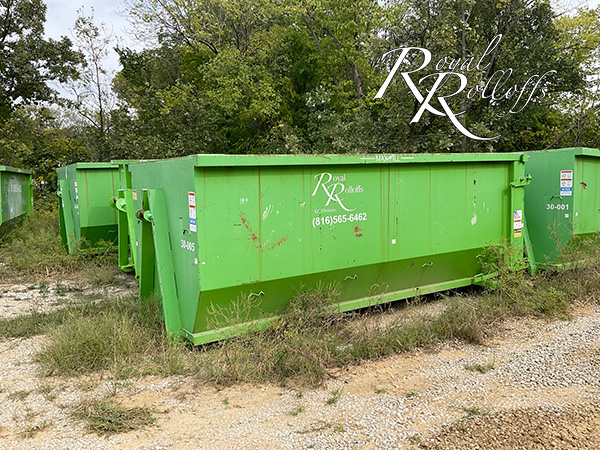
As you prepare for a home improvement, construction, or cleanup job around Independence, MO, knowing which materials can safely be placed in a dumpster is key to success. Many customers are surprised to learn that certain items cannot go into a dumpster. Understanding these rules helps prevent issues, additional fees, and compliance issues while disposing of waste. At Royal Rolloffs, we focus on keeping the rental process smooth by explaining approved and restricted materials. This information allows you to maximize your rental and avoid problems.
Smart waste management is more than just tossing items out. It makes sure you follow disposal guidelines, reduces risk to your crew and family, and promotes sustainability. Knowing what is allowed and what is restricted, you can avoid interruptions and maintain steady progress. This article covers common categories of waste, points out prohibited items, and offers advice for better organizing your waste.
Common Household Waste and Debris
Most household junk and general debris can be safely placed in a dumpster rental. These include things like broken chairs, unwanted clothing, old toys, cardboard boxes, and everyday trash. They are usually the first things thrown away during a home purge. When tackling a garage, basement, or attic cleanout, these are typically the first items to go into the container. Organizing waste allows you to fit more and load safely.
General debris from household projects, such as drywall, flooring, wood scraps, and shingles, can also be placed in a dumpster. These materials are common during remodeling and renovation projects. Breaking apart bulky items and placing heavy debris first helps maximize space. It helps balance the weight and leaves room for trash bags and soft goods. Continuous sorting keeps the project organized and avoids overflow.
Landscaping Debris and Outdoor Waste
Yard waste is generally accepted and includes grass clippings, leaves, branches, and shrubs. Homeowners use dumpsters for landscaping projects, seasonal cleanups, and storm debris removal. Separating green waste from general junk helps with recycling and disposal rules. We encourage customers to remove large roots or stumps if possible, since they may not be accepted as-is.
Exterior structures like fences and decks may go in as long as untreated. Treated lumber with hazardous coatings must be excluded, since they may be regulated. If you are replacing concrete or bricks, these can also go into a dumpster but should be loaded evenly to avoid overloading. Distributing the weight evenly is important for safe transportation and compliance with road weight limits.
Items That Cannot Be Placed in a Dumpster
You cannot put every type of waste inside the dumpster. Oil, gasoline, and pesticides are strictly prohibited. They may react and create unsafe situations. Always check with local waste authorities for safe disposal options.
Cooling appliances often have to be cleared of chemicals first. Bulbs and batteries cannot go into general trash due to hazardous materials. Any biohazard or contaminated earth is disallowed. Being aware of these restrictions before loading the dumpster saves time and ensures compliance with disposal regulations.
Building and Renovation Waste
Jobsite containers are ideal for debris created during building and demolition work. Items like framing lumber, siding, and scrap metal can go into the dumpster together. Sorting like materials helps with recycling efforts and minimizes environmental harm during renovations. Royal Rolloffs works with customers to ensure their construction debris is handled efficiently and within legal requirements.
Demolition jobs often produce a significant amount of debris, including plaster, tiles, and windows. Safe materials can be included but asbestos must be excluded. If there is any concern about asbestos, it must be tested and removed by a licensed professional before disposal. Planning ahead prevents stoppages and protects workers.
Handling Dense Waste Materials
You can load rock and soil but special care is necessary. These materials quickly add weight, and overloading can make the container unsafe for transport. Users must monitor how much heavy waste they load. Sometimes extra containers are required for safety.
If you are working on a landscaping or excavation project, loading dirt and rock carefully helps balance the weight in the container. Balancing weight helps protect the container and truck. Contacting our team in advance about the type of heavy website materials you plan to dispose of allows us to recommend the best approach. Thinking ahead helps you stay within safe loading practices.
Sustainable Waste Management
Eco-conscious waste handling safeguards public health and natural resources. Separating recyclables and avoiding prohibited items helps minimize landfill waste. We partner with recycling and disposal facilities for responsible waste processing. Supporting these practices keeps Independence, MO, beautiful and safe.
Collecting recyclables before loading aids eco-friendly disposal. It benefits both the environment and the disposal process. Our team shares tips for hassle-free recycling preparation. Following these practices keeps you compliant and eco-friendly.
Maximizing the Benefits of Your Dumpster
Learning the rules helps avoid issues during the rental period. Customers in Independence, MO, rely on Royal Rolloffs to provide not just a container but also the knowledge and support they need to handle waste responsibly. Smart preparation and sorting keep the work flowing smoothly. Royal Rolloffs is dedicated to smooth, efficient disposal service. Whatever the job, we provide the right dumpster solution for your project.